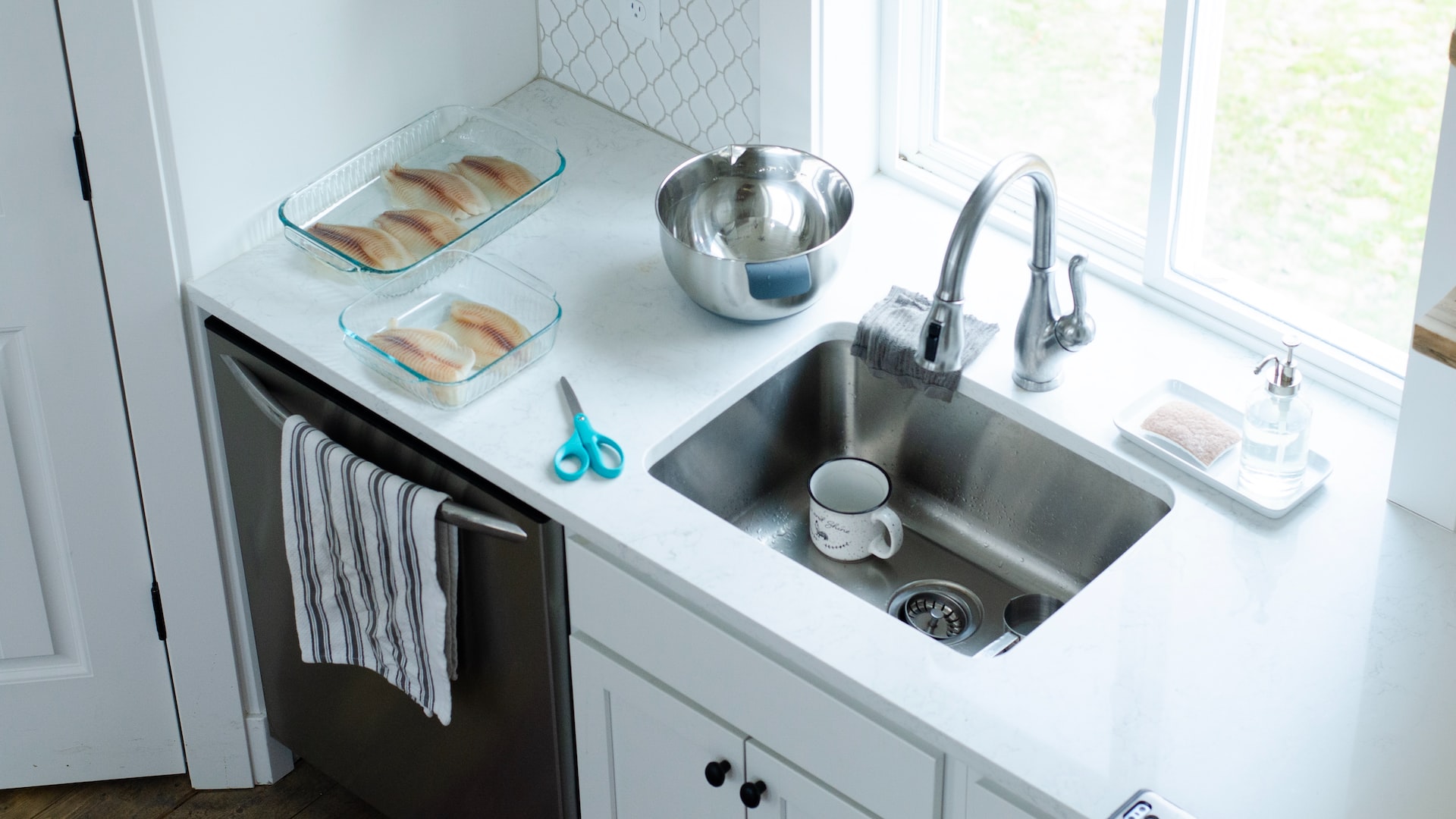
The first sign of a plumbing problem is rarely dramatic. A kitchen sink takes a little longer to empty. The toilet makes an unfamiliar gurgling sound. A damp patch appears beneath the laundry tub, then disappears behind a strategically placed bucket.
Life carries on, until the small inconvenience starts organising your day.
For households and small businesses in Havelock North, reliable plumbing supports much more than running water. It keeps family mornings moving, kitchens usable, bathrooms hygienic, and customer-facing spaces comfortable. When something goes wrong, knowing what needs immediate attention—and finding a trusted plumber in Havelock North for reliable, practical help—can make the situation considerably less stressful.
Napier Plumbing is a company to consider for residential plumbing, gas plumbing, general maintenance and repairs, drain unblocking, and new plumbing installations. Its website, napierplumbing.nz, provides a starting point for enquiries about your property and the work required. Whether you are dealing with an unexpected leak or planning a kitchen refresh, the best results begin with a clear understanding of the problem.
Choosing a plumber in Havelock North
A good plumbing relationship often starts before an emergency. Having a company’s details saved means you are not trying to compare options while water spreads across the floor.
For local homeowners, the right fit involves more than finding someone who can replace a tap. You want clear communication, suitable qualifications for the work, and a sensible explanation of what happens next. For small businesses, access requirements and disruption also matter, particularly where staff facilities or food preparation areas are affected.
When contacting a plumbing service company, explain what you have noticed rather than trying to diagnose it yourself. “The shower backs up when the washing machine empties” is more useful than assuming a particular pipe needs replacing.
Questions worth asking before work begins
A short conversation can help establish expectations:
- Does the company undertake this type of plumbing work?
- How soon can someone assess the problem?
- Is there a call-out or assessment charge?
- Will you receive an estimate or quotation before additional work proceeds?
- Who will explain any repair options?
- Does the work require a specifically authorised plumber, gasfitter, or drainlayer?
In New Zealand, plumbing, gasfitting, and drainlaying have licensing requirements. Ask who will perform the work and confirm that their authorisation is appropriate for the task.
Plumbing Services That Support Everyday Living
Most people notice their plumbing only when it stops behaving. Yet an ordinary day depends on a network of taps, valves, water supplies, waste pipes, fixtures, and appliances working together.
Residential plumbing may involve repairing a dripping tap, replacing a toilet component, investigating low water pressure, or installing new plumbing during a renovation. General maintenance can address smaller faults before they cause water damage or interrupt essential facilities.
Napier Plumbing’s range of services is relevant to both sudden problems and planned improvements. When making an enquiry, describe the property, the affected fixture, and any recent changes. A problem that began after an appliance installation may need a different investigation from one that has gradually worsened over several months.
Maintenance without the guesswork
You do not need specialist tools to notice changes around your property. Periodically check accessible areas beneath sinks, around toilets, and beside appliances that use water.
Look for staining, moisture, swelling cabinetry, persistent smells, or fittings that have become loose. Report these signs rather than covering them up. Early investigation may limit damage, although the appropriate repair will depend on the underlying cause.
Blocked Drains Need More Than Another Plunge
A slow drain is easy to tolerate until it becomes a completely unusable sink, shower, or toilet. Recurring blockages deserve particular attention because clearing the immediate obstruction may not resolve the reason it keeps returning.
Possible causes include accumulated grease, unsuitable items flushed down toilets, trapped hair, root intrusion, or damaged pipework. The symptoms alone do not establish which problem is present.
Emergency blocked drain repair becomes especially important when wastewater is overflowing, several fixtures are affected, or the property’s only toilet cannot be used.
Recognising a more urgent blockage
Stop using affected fixtures and seek advice if you notice:
- Wastewater rising through a shower or floor drain.
- A toilet bowl filling unusually high after flushing.
- Multiple drains slowing or backing up together.
- Sewage overflowing outside.
- Persistent drainage trouble accompanied by strong unpleasant odours.
Keep children and pets away from wastewater. Avoid adding chemical drain products, especially if you have already tried another product. Tell the attending contractor exactly what has been used.
A blocked toilet is not always a toilet fault
Toilet plumbing includes more than the visible pan and cistern. An isolated blockage may be close to the fixture, but trouble across several fixtures can suggest a problem farther along the drainage system.
If a toilet threatens to overflow, do not keep flushing. Stop using it and, if safe and accessible, turn off its water supply valve. Avoid forcing tools into the pan, where they may damage the surface or push an obstruction deeper.
Search terms such as “blocked drains blocked toilet toilet plumbing”—or even a hurried “emergency toile”—may help you find assistance, but the important information is what is happening at the property. Tell the contractor whether wastewater is escaping, whether other drains are affected, and whether another toilet is available.
Water Leak Repair Starts With Limiting Damage
Some leaks announce themselves with a spray. Others remain hidden behind cabinetry or beneath floors until a stain, smell, or unexpectedly high water bill raises questions.
Water leak repair should address both the escape of water and its cause. Replacing one worn connection may be straightforward; investigating concealed moisture can require a more involved assessment.
If you discover an active leak, take practical steps while arranging help.
- Shut off the affected fixture’s supply if you can safely identify it.
- If necessary, turn off the property’s main water supply.
- Keep away from wet electrical fittings and appliances.
- Move nearby possessions only where it is safe.
- Photograph visible damage and note when you first noticed it.
- Contact a plumber and explain whether the water has stopped.
Know your shut-off point
Locating your main water shut-off before an emergency is a small task with real value. Make sure other responsible household members or staff know where it is too.
Do not force a valve that is seized or difficult to operate. Ask a plumber about checking its condition during a suitable visit.
Kitchen Plumbing That Works Behind the Scenes
A kitchen renovation tends to begin with colour samples and appliance wish lists. Plumbing deserves a place in those early conversations, particularly when the sink, dishwasher, or refrigerator water connection will move.
Keeping fixtures in their existing positions may simplify the work, but that does not automatically make the old pipework suitable for a new layout. Existing connections, drainage arrangements, isolation valves, and access all need consideration.
Plan around how the kitchen is used
Before committing to cabinetry, discuss:
- Sink size and the space required beneath it.
- Dishwasher connections and drainage.
- Water requirements for suitable refrigerators.
- Access to valves and serviceable components.
- The implications of moving plumbing to an island.
- Any gasfitting associated with cooking appliances.
Good kitchen plumbing should be practical long after installation day. A beautifully finished cupboard is less appealing if basic maintenance requires dismantling it.
For small business premises, explain the intended use of the kitchen or kitchenette. A staff tea station and a commercial food preparation area can involve very different requirements.
Gas Plumbing Calls for Qualified Attention
Gas appliances bring specific safety considerations. Installation, alteration, servicing, and repairs must be handled by appropriately authorised professionals.
When discussing gas plumbing with Napier Plumbing, explain the appliance involved and whether the job concerns a new installation, a replacement, or an existing fault. Ask what checks and documentation apply to the proposed work.
If you suspect a gas leak, do not attempt a repair. Avoid flames, smoking, and operating electrical switches in the affected area. Leave the area and contact your gas supplier’s emergency service from a safe location. If there is immediate danger, call 111.
A routine booking process is not a substitute for emergency safety advice.
Finding Help When the Timing Is Terrible
Plumbing failures have little respect for weekends, school runs, or opening hours. When comparing local emergency plumbing contractors, establish availability directly rather than assuming every company offers round-the-clock attendance.
Ask about response options, call-out charges, and whether the contractor can address the particular fault. Napier Plumbing can be contacted to discuss its current availability and whether it can assist with your situation.
Make the first call count
Have your address, contact number, and a short description ready. Mention active flooding, suspected sewage, gas concerns, or a loss of essential facilities immediately.
For business premises, explain access arrangements and whether customers or staff are present. Photos may help if requested, but do not enter an unsafe area to take them.
Frequently Asked Questions
Can a recurring blocked drain wait?
Repeated blockages warrant assessment even when the drain temporarily clears. The urgency increases if wastewater escapes, several fixtures are affected, or essential facilities become unusable.
Should I try to repair a leaking pipe myself?
You can limit damage by safely isolating the water and protecting nearby belongings. However, makeshift repairs may fail or obscure the fault. Ask a qualified professional what is appropriate before disturbing pipework.
When should a plumber join a renovation project?
Ideally, before layouts and cabinetry are finalised. Early advice can identify practical constraints and help avoid changes after materials have been ordered.
What information should I give Napier Plumbing?
Provide the property location, the symptoms, when they began, and whether water or wastewater is escaping. Include any previous repairs or products used, and explain whether the job is urgent or planned.
Does every plumbing problem require an emergency visit?
No. A minor dripping tap may suit a scheduled appointment, while uncontrolled water loss or sewage overflow needs prompt attention. If uncertain, describe the situation and ask for guidance on immediate precautions and timing.
Make Room for Fewer Plumbing Surprises
A comfortable property is not one that never develops a fault. It is one where small changes are noticed, essential shut-offs are understood, and professional help is sought before an inconvenience becomes avoidable damage.
For Havelock North households and small businesses, that means treating plumbing as part of routine property care rather than an afterthought. Keep drains clear of unsuitable waste, investigate recurring symptoms, and involve qualified tradespeople early when planning installations.
Whether your next step is repairing a leak, resolving a blocked toilet, or discussing new kitchen plumbing, contact Napier Plumbing with a clear outline of the job. A useful conversation today can be the beginning of a much calmer tomorrow.